
Why Winter Is the Best Time to Get Your BLS Provider & First Aid Certification
Winter doesn’t just bring colder weather—it brings a higher risk of emergencies. Slippery sidewalks, strenuous snow removal, seasonal illnesses, and delayed EMS response all make the colder months a critical time to be prepared. Whether you’re a healthcare professional renewing your AHA BLS Provider certification or someone wanting to learn First Aid, winter is the perfect season to refresh or upgrade your skills.
Why CPR and First Aid Skills Matter More in Winter
Cold-weather conditions increase the likelihood of life-threatening situations where quick action is essential:
1. Cardiac Emergencies from Overexertion
Shoveling snow and heavy winter labor put extra strain on the heart. Sudden cardiac arrest is more common during winter months, making BLS CPR skills crucial for rapid response.
2. Slips, Falls, and Traumatic Injuries
Icy sidewalks and driveways contribute to fractures, head injuries, bleeding, and medical emergencies where First Aid training—especially bleeding control—can be lifesaving.
3. Cold-Related Emergencies
Hypothermia, frostbite, and environmental exposure require fast recognition and proper first aid to prevent worsening conditions.
4. Respiratory and Medical Illness Spikes
Winter increases flu, RSV, asthma flare-ups, and other respiratory distress situations. Knowing how to assess a patient and respond using BLS and First Aid skills is essential.
5. Delayed EMS Arrival Times
Snow and road conditions can extend response times. Immediate CPR, First Aid, and AED use bridge the gap until help arrives.
Why Choose AHA BLS Provider Training
The AHA BLS Provider Course teaches lifesaving skills needed to respond to cardiac arrest, respiratory failure, and critical emergencies. You will learn:
-
High-quality adult, child, and infant CPR
-
AED operation and early defibrillation
-
Effective ventilation techniques
-
Team-based resuscitation skills
-
Rapid assessment and recognition of cardiac arrest
These skills are invaluable during winter, when cardiac emergencies and cold-weather risks rise significantly.
Why AHA Heartsaver First Aid Is Essential During Winter
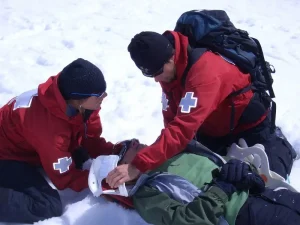
First Aid training prepares you to manage the most common winter emergencies, including:
-
Bleeding and wound care
-
Fractures, sprains, and fall-related injuries
-
Hypothermia and frostbite
-
Allergic reactions, diabetic issues, and medical conditions
-
Shock and patient assessment
This training ensures you’re ready for the wide range of emergencies winter can bring—whether at home, at work, or in the community.
Train With Real First Responders This Winter
At Revive Rescue CPR, all BLS and First Aid classes are taught by licensed paramedics and advanced EMTs with real emergency experience. Our training goes beyond minimum standards, offering:
-
Hands-on, scenario-based instruction
-
Skills tailored to real winter emergencies
-
Same-day certification cards
-
Flexible class times and on-site group training
-
CPR, First Aid, and Stop the Bleed options
You’ll leave confident, capable, and ready to respond when seconds matter most.
Get Certified Before Winter Emergencies Strike
Now is the ideal time to complete or renew your AHA BLS Provider and First Aid certification. Winter challenges can’t always be predicted—but you can be prepared.
Visit reviverescuecpr.com to register for a class or schedule a group training session.
Leave a Reply